
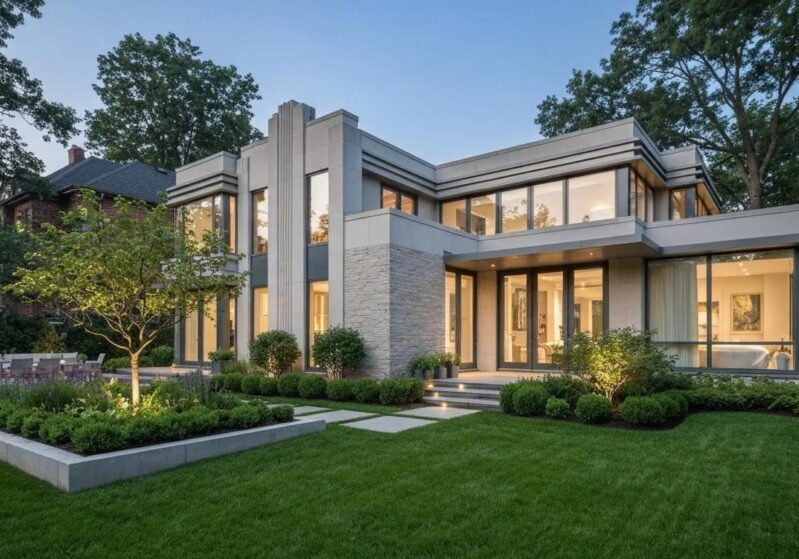
Selecting a Toronto custom home builder is the single most important decision you’ll make when planning your dream residence in Ontario’s largest city. Without a clear vetting process, homeowners risk delays, budget overruns, and compromised quality. This guide explains five essential factors—experience and portfolio, financial transparency, communication and project management, proper licensing and Tarion warranty, and design expertise alignment—to help you choose a builder who delivers on time, on budget, and to your vision. Along the way, our expert insights will demystify key milestones and support you with actionable checklists and clarity.
What Experience and Portfolio Should You Look for in a Toronto Custom Home Builder?
Experience and portfolio together demonstrate a builder’s ability to navigate Toronto’s unique regulations and deliver consistent quality in diverse projects. A proven track record reduces risk, strengthens craftsmanship standards, and promotes confidence in achieving your custom vision. To assess a builder’s track record, consider these due diligence steps:
- Review the builder’s years of operation in Toronto to confirm local knowledge and regulatory familiarity.
- Examine a diverse project portfolio to confirm patterns of craftsmanship and design versatility.
- Check for specialization in home types that match your vision, such as luxury, modern, or sustainable builds.
- Contact past clients or consult online reviews to validate on-time delivery and budget adherence.
These checks confirm foundational competence and pave the way for one of the first vetting criteria: local experience.
How Many Years of Local Experience Does the Builder Have?
Evaluating a builder’s tenure in the Toronto market ensures familiarity with municipal bylaws and trade networks. Longer local experience enhances permit efficiency and material sourcing, improving project timelines. This focus on tenure naturally transitions to analyzing the variety of custom home types in their portfolio.
What Types of Custom Homes Are Included in Their Portfolio?
A portfolio showcasing detached houses, laneway homes, heritage restorations, or modern townhomes reflects a builder’s adaptability and technical breadth. Diverse project types demonstrate problem-solving across foundations, framing, and finishes, setting expectations for your own build. A strong portfolio review leads into assessing social proof via client feedback.
How Can Client Testimonials and References Help Evaluate Reputation?
Client testimonials and professional references reveal real-world performance on communication, budget management, and workmanship. Positive reviews signal reliability, while candid feedback highlights areas to clarify before signing contracts. With reputation vetted, the next essential safeguard is transparency in cost and budgeting.
How Important Is Financial Transparency and Budget Management When Selecting a Builder?

Financial transparency and proactive budget management define whether a project stays on track or spirals in cost. Clear, itemized estimates support informed decisions, minimize hidden fees, and promote trust. Below is a sample cost breakdown illustrating transparent budgeting practices:
Construction Financial Management Association (CFMA), Construction Financial Management Handbook (2022)
What Should You Expect in an Itemized Quote or Cost Estimate?
An itemized quote should break down hard costs (materials, labor) and soft costs (permits, design, inspections) with per-unit pricing and allowances. Clarity on markups and contingency allocations supports apples-to-apples comparisons. Clear estimates lead into planning for unexpected expenses.
How Can You Plan for Contingencies and Unexpected Costs?
Allocating a contingency reserve—typically 5–10 percent of the total budget—protects against design changes, permit delays, or supply price shifts. Regular budget reviews and milestone-based disbursements ensure you maintain control over cash flows and project scope.
What Role Does Communication and Project Management Play in Choosing a Custom Home Builder?

Open communication and a structured project management approach improve decision speed, reduce misunderstandings, and keep timelines on schedule. A builder who promotes transparency through designated channels and milestones enhances homeowner confidence. To gauge their management style, look for these essential practices:
- Scheduled progress meetings with documented action items and timelines.
- A dedicated project manager as your single point of contact for updates and approvals.
- Digital collaboration tools (e.g., shared dashboards, mobile apps) for real-time visibility.
- Clear escalation protocols to address issues before they affect project phases.
These practices create a solid foundation and lead directly into evaluating specific communication methods.
How Does the Builder Maintain Open and Clear Communication?
A reliable builder maintains regular site reports, weekly roundup emails, and responsive phone or messaging availability. Transparency in decision logs and documented approvals prevents scope creep and builds trust for each construction phase.
What Project Management Style and Timeline Should You Expect?
Expect a structured timeline broken into phases—design, permitting, site preparation, framing, finishing—with clearly defined milestones and deliverables. A formal schedule with buffer periods for inspections and weather delays supports realistic completion dates.
Why Are Licenses, Insurance, and Tarion Warranty Coverage Essential for Toronto Custom Homes?
Proper licensing and insurance protect you from liability and ensure accountability under provincial regulations, while a Tarion New Home Warranty provides statutory coverage against construction defects. Legal compliance safeguards your investment and promotes peace of mind. Below is an overview of Tarion warranty coverage:
Tarion Warranty Corporation, Homeowner Information Package (2024)
How Do You Verify a Builder’s Licenses and Insurance Credentials?
Confirm a valid HCRA license number and request proof of general liability insurance and WSIB coverage. Cross-check regulatory listings and ask for insurer contact details to verify current policy status and coverage limits.
What Is the Tarion New Home Warranty and How Does It Protect You?
Tarion New Home Warranty safeguards homeowners through staged coverage—material and labor defects in year one, system failures in year two, and major structural failures up to seven years—ensuring financial protection and repair obligations under Ontario’s home-building statutes.
How Can You Ensure Your Vision Aligns with a Builder’s Design Expertise and Specialization?
Ensuring design alignment means matching your architectural vision to a builder’s style proficiency and technical methods. A shared aesthetic foundation streamlines decision-making, enhances collaboration, and supports timely approvals. To confirm compatibility, follow these steps:
- Compare your style board with existing projects in the builder’s portfolio.
- Ask for design consultation samples to assess aesthetic synergy.
- Discuss material and finish options to confirm craftsmanship quality.
These steps prepare you to align specific architectural elements next.
How Do You Match Your Architectural Style with the Builder’s Portfolio?
Review homes that reflect your design preferences—traditional, contemporary, or eco-friendly—to observe proportions, rooflines, and finish details. A close match indicates the builder’s ability to realize your vision without extensive design revisions.
What Are the Latest Trends in Sustainable and Smart Home Building in Toronto?
Toronto’s custom home market increasingly embraces passive solar orientation, green roofs with high-performance envelopes, AI-driven home automation for energy monitoring, and biophilic design elements that integrate natural materials for healthier living. These innovations enhance comfort, efficiency, and long-term value.
Choosing the right custom home builder in Toronto demands meticulous vetting across experience, finances, communication, legal safeguards, and design compatibility. By following these five factors, you’ll reduce risk, streamline decision-making, and secure a partner who understands your goals. For personalized guidance and detailed checklists, contact contempo.ca to explore your next steps toward a seamless custom build.