
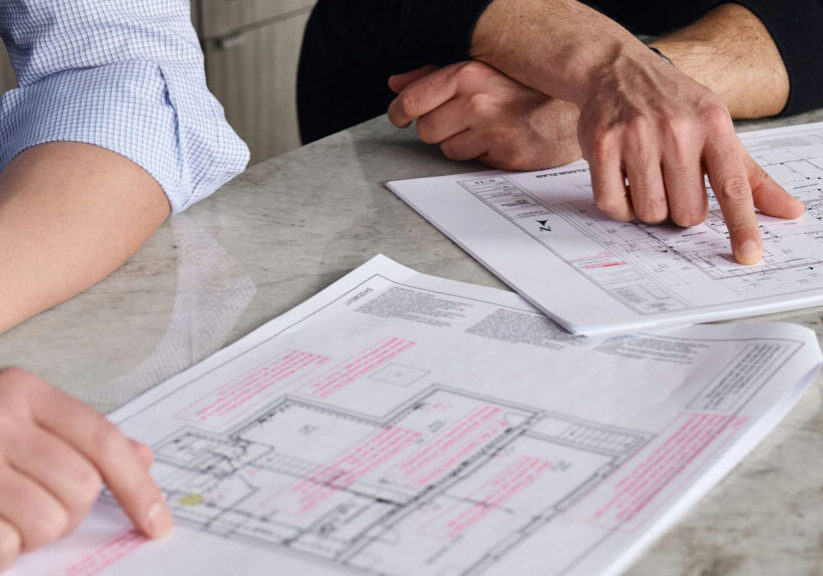
The role of a project manager in custom home construction is to oversee every aspect of the build—from early planning to the final walkthrough. They manage budgets, schedules, and coordination between all team members to ensure smooth and timely execution.
At Contempo Building Corp., our project managers ensure your custom home is built exactly as you envision. They communicate with the construction team, solve problems as they arise, and keep the project moving forward. With their guidance, you can trust that your home will be completed to your satisfaction.
Role of a Project Manager in Custom Home Construction
The role of a project manager in custom home construction is both broad and essential. From planning and budgeting to problem-solving and communication, they are the central figure who keeps everything on track. Here’s a complete look at what they do throughout the build:
1. Project Planning and Pre-Construction Coordination
The role begins long before the first shovel hits the ground. A project manager helps develop the overall plan—setting timelines, coordinating design input, and organizing each phase of construction. They ensure the project starts with a clear roadmap that reflects the homeowner’s vision and expectations.
2. Budget Management and Cost Control
A key part of the project manager’s role is keeping the budget in check. They track every cost, from materials to labour, and work to prevent overspending. If adjustments are needed, they find ways to reduce costs without cutting corners. Their financial oversight helps deliver the project within budget while maintaining quality.
3. Permits and Code Compliance
Navigating building permits and inspections is a critical task. The role of a project manager includes securing necessary permits, scheduling inspections, and ensuring that all work complies with local building codes. This reduces delays and helps avoid legal complications down the line.
4. Subcontractor and Trade Coordination
Managing subcontractors is one of the most hands-on parts of the job. The project manager schedules trades like electricians, plumbers, and framers in the right order to keep progress smooth and efficient. They act as the central point of contact to ensure everyone is aligned and working toward the same goals.
5. Material Procurement and Logistics
The project manager also handles sourcing materials, placing orders, and tracking deliveries. They work with trusted suppliers to ensure everything arrives on time and meets the design specs. By staying ahead of potential delays, they keep construction flowing without costly downtime.
6. Day-to-Day Construction Oversight
Throughout the build, the project manager is on-site or in close contact with the crew to monitor quality, safety, and timing. They address any issues that arise—such as weather delays or design changes—and adjust the schedule or resources as needed. Their role is to keep the project moving forward without setbacks.
7. Client Communication and Updates
Transparent communication is a key strength of an effective project manager. They provide regular updates to the homeowner, answer questions, and hold progress meetings. This ongoing dialogue builds trust and helps ensure the final result matches the client’s expectations.
8. Managing Change Orders
In custom home projects, changes are almost inevitable. Whether it’s a new material choice or a layout tweak, the project manager evaluates the impact, updates the timeline, and ensures all changes are documented and approved. Their ability to manage adjustments keeps the project flexible but controlled.
9. Final Inspections and Handover
As the home nears completion, the project manager’s role includes overseeing final inspections and quality checks. They ensure all work is finished to a high standard, meets building codes, and aligns with the homeowner’s vision. Once satisfied, they coordinate the final handover and deliver the keys.
Why Is the Role of the Project Manager Important in Custom Home Construction?
The role of a project manager goes far beyond managing tasks—it’s about leadership, foresight, and creating a seamless experience for both the client and the construction team. In custom home building, where every decision is unique, the project manager brings clarity, control, and confidence to an otherwise complex process.
Turning Complexity Into Simplicity
Custom homes involve countless moving parts—design revisions, permits, supplier coordination, and shifting schedules. The project manager filters that complexity, presenting clients with clear updates and straightforward choices. They simplify the decision-making process, so homeowners can stay involved without feeling overwhelmed.
Acting as a Central Point of Leadership
The project manager’s role is to unify the team. They align architects, engineers, trades, and suppliers under one cohesive plan. With a single leader keeping everyone on the same page, there’s less confusion, stronger collaboration, and fewer delays caused by miscommunication.
Balancing Vision with Practicality
While the architectural design team focuses on creativity, the project manager ensures each decision is executable. They assess feasibility, budget alignment, and buildability—bridging the gap between imagination and real-world execution. This keeps the project rooted in reality without limiting design.
Enhancing the Client Experience
Custom home projects can span months—or longer. A strong project manager helps create a smooth, stress-free journey. Their presence means clients don’t need to chase updates, manage trades, or worry about what’s next. Instead, they can focus on the excitement of building their dream home.
Adapting to Change Without Losing Control
No matter how well a project is planned, change is inevitable. The role of a project manager includes managing changes strategically—whether it’s unexpected site conditions or last-minute design tweaks. They keep changes from derailing progress, offering practical solutions without losing momentum.
Skills and Qualifications Required for a Project Manager in Construction
The role of a project manager in custom home construction demands a strong balance of leadership, technical knowledge, and hands-on experience. They’re responsible for guiding the entire building process—ensuring that every phase is completed on time, within budget, and to the highest standard. From scheduling to problem-solving, their expertise keeps the project running smoothly and aligned with the client’s expectations.
Project Scheduling
A key part of the role of a project manager is creating and maintaining a detailed construction schedule. They monitor progress daily, anticipate delays, and adjust timelines as needed to keep the build on track.
Budget Management
They track project expenses closely and ensure spending stays within budget. A good project manager finds ways to reduce costs where possible—without sacrificing quality or performance.
Communication Skills
The role of a project manager also involves constant communication. They serve as the main point of contact between clients, trades, and team members, ensuring that everyone is informed, aligned, and working toward shared goals.
Conflict Resolution
Disputes or disruptions can happen on any job site. A skilled project manager identifies problems early and resolves them quickly, preventing delays and minimizing tension between team members or stakeholders.
Technical Knowledge
To succeed in this role, a project manager must fully understand residential construction—reading blueprints, coordinating inspections, and complying with the Ontario Building Code and local permit requirements.
Team Leadership
The role of a project manager includes leading and motivating teams. They assign tasks, manage timelines, and ensure each trade performs their work to a high standard. Their leadership helps keep productivity high and quality consistent.
Education and Certifications
Many professionals in this role hold degrees or diplomas in construction management, architecture, or civil engineering. Industry-respected credentials like the Project Management Professional (PMP) or Gold Seal Certification (GSC) add credibility and are widely recognized in Canada.
Experience in the field is just as important as formal education. A qualified project manager understands the realities of job sites, trade workflows, and how to lead under pressure. Ultimately, the role of a project manager is to bring together planning, execution, and leadership to ensure every home is built safely, efficiently, and exactly as envisioned.
Key Takeaways
Choosing the right project manager can be the difference between a chaotic build and a smooth, rewarding experience. With expert oversight, you gain peace of mind knowing every phase is being handled with care and precision. At Contempo Building Corp., our project managers bring structure, clarity, and leadership—so you can focus on the excitement of building your dream home. Contact us today to schedule a consultation.
Frequently Asked Questions
What is the role of a project manager in construction?
The role of a project manager is to oversee the entire construction process from start to finish. They lead with a focus on planning, scheduling, budgeting, and coordination. Along the way, they manage teams, resolve issues, and ensure everything stays on track.
How does a project manager keep milestones on track?
A project manager creates a detailed schedule with defined milestones and deadlines. They monitor progress closely and make timely adjustments when needed. If setbacks occur, they respond quickly to keep the build moving forward without major delays.
Why is a project manager important for custom home building?
The project manager’s role is especially important in custom home construction. They keep the project organized, manage risks, and ensure every phase aligns with the client’s goals. Their oversight helps prevent delays, avoid budget overruns, and deliver a home that meets expectations.
What skills does a project manager need for construction?
Strong scheduling, leadership, and communication skills are essential. A construction project manager also needs technical knowledge, conflict resolution abilities, and the ability to manage trades and timelines effectively. They combine hands-on experience with strategic thinking.
How does a project manager ensure the construction is high quality?
By staying involved in every stage, the project manager ensures all work meets design specs, building codes, and quality standards. They coordinate inspections, manage subcontractors, and address issues before they impact the final result—delivering a home built to last.