
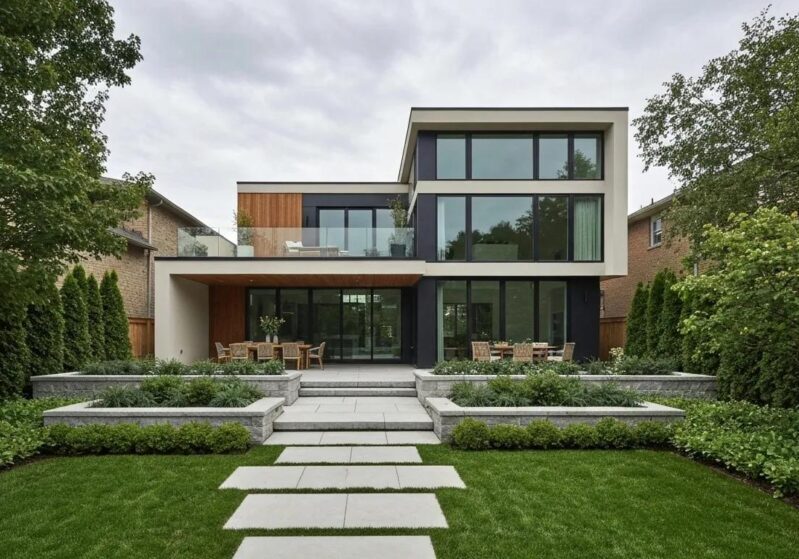
Uncovering the Hidden Costs of Building a Custom Home in Toronto: What to Expect
Building a custom home in Toronto often uncovers unexpected expenses that can derail even the most carefully planned budgets. As a transparent custom home builder in Toronto, Contempo guides you through every line item to avoid surprises. This guide explains the four main cost categories, uncovers hidden expenses, outlines mitigation strategies, and details Toronto-specific fees you must factor in before laying the foundation.
What Are the Main Cost Categories When Building a Custom Home in Toronto?
Building costs break down into two core categories—hard costs and soft costs—which together determine your overall investment. Hard costs cover the physical materials and labor for construction, while soft costs encompass non-construction fees that support design, approvals, and project management. Clear separation of these categories ensures accurate budgeting from day one.
Cost Breakdown in Construction
Construction costs are typically divided into hard and soft costs. Hard costs include materials and labor, while soft costs cover non-construction expenses like permits and design fees. Understanding this distinction is crucial for accurate budgeting and project management.
Hard costs and soft costs together form your comprehensive building estimate, laying the groundwork for deeper hidden-cost analysis.
What Are Hard Costs and How Do They Impact Your Budget?
Hard costs refer to tangible expenses such as structural materials, interior finishes and trade labor. Lumber, steel framing and concrete account for 40–50 % of your total spend, while skilled trades—plumbers, electricians, carpenters—add another 25–35 %. Site work like excavation and foundation also belongs here. Underestimating hard costs can force design downgrades or material substitutions that affect quality and schedule.
What Are Soft Costs and Why Are They Often Overlooked?
Soft costs are indirect expenses that don’t involve physical construction but are critical to project delivery. Architectural design, engineering reports, legal surveys and building permits typically represent 20–30 % of the total budget. Development charges imposed by the City of Toronto and financing fees also fall under this umbrella. Because soft costs don’t produce visible progress on site, they are frequently underestimated or omitted in initial quotes.
What Hidden Costs Should You Expect When Building a Custom Home in Toronto?

Even with clear hard and soft cost estimates, certain site-specific and process-driven expenses can emerge unexpectedly. Understanding these hidden costs in advance helps you maintain budget predictability and avoid last-minute compromises.
How Do Unforeseen Site Conditions Affect Your Construction Budget?
Rocky subsoil, high groundwater or buried utility lines can significantly raise excavation and remediation costs before foundation work begins. Common site condition issues include:
- Rock removal requiring blasting or additional machinery
- Groundwater dewatering systems to maintain a dry excavation
- Relocation of existing sewer, gas or electrical services
Addressing these conditions early through comprehensive geotechnical testing prevents budget overruns on critical site preparation.
What Is the Impact of Design Changes During Construction?
Altering design details mid-build often incurs change-order fees equal to 10–20 % of the modified scope. Revising floor plans, upgrading finishes or relocating walls disrupts the construction schedule, requiring reordering materials and rescheduling trades. Each change extends the timeline and compounds carrying costs until project completion.
Which Temporary Utilities and Services Add to Your Costs?
Supplying power, water and sanitation to the jobsite involves setup and monthly rental fees that typically amount to 5–8 % of the build budget. Temporary services include:
- Electrical meter and panel installation
- Portable restroom rental and servicing
- Site fencing and security monitoring
- Temporary heating or cooling systems
Planning for these interim services ensures uninterrupted progress and maintains safety standards.
How Do Landscaping and Exterior Features Influence Final Expenses?
Landscaping, driveways, walkways, fences and exterior lighting often add 10–15 % to the overall project cost. Hardscaping materials, mature tree planting and irrigation systems each carry separate quotes. Early coordination with your builder on outdoor specifications prevents last-minute scope expansion.
What Are the Carrying Costs and Delays to Consider?
While construction is underway, you’ll incur carrying costs such as:
- Mortgage interest on construction loans
- Property taxes on undeveloped land
- Insurance premiums for the building site
- Temporary accommodation if you’ve vacated your current home
These ongoing expenses can total $3,000–$6,000 per month, so efficient scheduling and timely inspections reduce financial drag.
How Can You Manage and Mitigate Hidden Costs in Your Toronto Custom Home Build?
Proactive planning and a partnership with an experienced Toronto custom home builder ensures you stay on budget and avoid unwelcome surprises.
Why Is a Detailed Quote Essential for Cost Transparency?
A line-by-line quote that separates hard costs, soft costs and allowances clarifies where funds are allocated. Look for itemized materials, labor rates and permit fees to verify each expense against market benchmarks. Detailed breakdowns empower you to make informed decisions on scope adjustments.
How Much Should You Allocate for a Contingency Fund?
Industry best practices recommend reserving 10–15 % of your total construction budget as contingency. This fund covers unexpected site conditions, design tweaks and minor delays without compromising core project goals. Maintaining a dedicated buffer preserves your main design vision.
Contingency Funds in Construction
It is recommended to allocate a contingency fund, typically 10-15% of the total construction budget, to cover unexpected expenses. This buffer helps manage unforeseen site conditions, design changes, or delays without compromising the project’s core objectives.
Construction Management Association of America, “Construction Management Standards of Practice” (2023)
What Are the Pros and Cons of Fixed-Price vs. Cost-Plus Contracts?
A fixed-price contract offers cost certainty by locking in a total sum, but any scope changes often require formal change orders. In contrast, a cost-plus contract charges actual expenses plus a builder fee, promoting transparency but shifting budget risk to the client. Choose the structure that aligns with your risk tolerance and project complexity.
How Does Partnering with an Experienced Toronto Builder Help Control Costs?
An experienced builder provides accurate local cost estimates, established subcontractor relationships and deep knowledge of Toronto’s permitting process. This expertise minimizes delays, leverages volume pricing on materials and navigates zoning requirements efficiently, directly reducing hidden charges.
What Toronto-Specific Fees and Regulations Affect Your Custom Home Budget?
Beyond national averages, Toronto imposes unique regulations that impact your bottom line.
What Permits and Development Charges Are Required in Toronto?

Building permits in Toronto range from $10,000 to $30,000, depending on project value. Development charges for new residential construction can add $90,000 to $150,000, funding local infrastructure improvements. These mandatory fees must be paid before construction commences.
How Do Zoning Bylaws and Committee of Adjustment Processes Influence Costs?
If your lot requires minor variances—such as reduced setbacks or increased height—you must submit to the Committee of Adjustment. Application fees, peer-review charges and potential redesign costs can total $5,000–$15,000. Early zoning due diligence prevents costly design revisions and approval delays.
Navigating Your Custom Home Build
Building a custom home in Toronto demands meticulous budgeting and expert guidance. By understanding core cost categories, anticipating hidden expenses, implementing mitigation strategies and navigating local regulations, you safeguard your vision and investment. Partner with Contempo to harness our local expertise, transparent pricing and comprehensive project management—so you can build confidently from blueprint to welcome home. Book a discovery call today and build your dream home.