
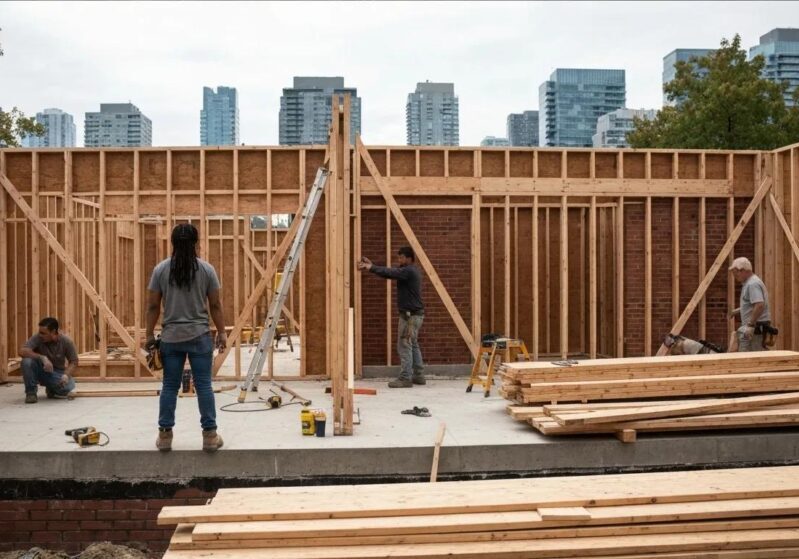
Building a custom home with a reputable custom home builder in Toronto like Contempo promises personalization and quality, yet homeowners often encounter hurdles that threaten budgets, timelines, permits, communication, and craftsmanship. This guide maps the top five challenges—from cost overruns and project delays to regulatory complexity, expectation mismatches, and quality control—and offers actionable solutions to navigate each issue successfully.
Challenge 1: Budget Overruns and Hidden Costs
When embarking on a custom home construction project in Toronto, homeowners often face the daunting reality of fluctuating budgets. Despite meticulous planning and cost forecasting, many find themselves blindsided by unexpected increases related to site conditions, material price changes, and mid-project design alterations. For instance, unforeseen issues with soil quality can necessitate costly remediation measures, which can easily add tens of thousands of dollars to the project’s final invoice. Such hidden expenses not only strain the budget but can also undermine the homeowner’s financial confidence and the overall viability of the project.
Why Do Budget Overruns Occur in Toronto Custom Home Builds?
Budget overruns occur when initial estimates fail to account for variable site conditions, rapidly rising material costs, or evolving design preferences.
- Unpredictable Site Conditions: Poor soil stability or groundwater issues require extra remediation.
- Fluctuating Material Prices: Global supply disruptions drive up lumber, steel, and finishes costs.
- Design Revisions: Late-stage architectural changes trigger new engineering and labor fees.
- Hidden Contractor Fees: Miscellaneous charges for permit renewals or utility hookups.
How Can Homeowners Avoid Hidden Costs During Custom Home Construction?
Homeowners can sidestep surprise fees by insisting on transparent contracts and thorough documentation before groundbreaking.
- Request Detailed Line-Item Estimates – Compare allowances for materials, labor, and contingencies.
- Include a Contingency Fund Clause – Allocate at least 10% of the budget for unforeseen expenses.
- Specify Change-Order Protocols – Define costs and approval processes for any scope alteration.
- Verify Permit and Utility Fees in Advance – Confirm municipal charges and service connection rates.
Clear contract language and financial protocols form the bedrock of predictable budgeting and lead directly into structured planning strategies.
What Financial Planning Strategies Help Manage Custom Home Budgets?
The following table outlines key financial planning strategies to support cost control and maintain budgetary health:
By implementing these planning methods, homeowners gain greater financial visibility and reinforce cost discipline before addressing timeline concerns.
Challenge 2: Project Delays and Timeline Extensions
Project delays extend the custom home build schedule, increasing carrying costs, financing interest, and homeowner stress. Delays often stem from permit backlogs or supply chain disruptions, and even a week’s slippage can cascade into months of schedule overruns and budget increases.
What Are the Main Causes of Construction Delays in Toronto Custom Homes?
Delays in Toronto custom builds arise from regulatory and environmental variables:
- Permit Approvals and Inspections Taking Longer Than Expected
- Weather-Related Shutdowns During Critical Phases
- Supply Chain Bottlenecks for Specialty Materials
- Labor Shortages and Scheduling Conflicts
Identifying these factors early empowers proactive schedule adjustments.
How Can Effective Project Management Prevent Timeline Extensions?
Effective project management uses clear scheduling tools and constant communication to keep a build on track.
- Develop a Detailed Gantt Chart with Permit Milestones
- Conduct Weekly Progress Meetings with Key Trades
- Pre-Order Critical Materials to Avoid Delivery Delays
- Assign a Dedicated Project Manager to Coordinate Subcontractors
Proactive planning and consistent updates set the stage for realistic timeline expectations.
What Should Homeowners Expect Regarding Typical Custom Home Build Timelines?
The table below summarizes average durations for each construction phase in Toronto:
Understanding these timeline norms helps homeowners align expectations and minimize delay impacts.
Challenge 3: Navigating Permits and Regulations
Securing multiple permits and navigating zoning bylaws, building codes, and site regulations requires detailed knowledge of municipal procedures. Homeowners unversed in Toronto’s regulatory framework can face extended permit cycles and unexpected compliance costs.
Permitting and Regulatory Challenges
Navigating the complex landscape of permits and regulations is a significant challenge for homeowners undertaking custom home construction. Understanding zoning bylaws, building codes, and site regulations is crucial to avoid delays and unexpected costs. Local expertise can help streamline the permit process.
City of Toronto, Building Permits and Inspections (2024)
This citation reinforces the article’s emphasis on the importance of understanding and navigating the permit process in Toronto.
Which Permits and Approvals Are Required for Custom Home Construction in Toronto?
Key permits and approvals include:
- Zoning Compliance Certificate for Land-Use Conformity
- Building Permit under the Ontario Building Code
- Heritage or Conservation District Approvals (if applicable)
- Severance or Minor Variance Permissions for Lot Adjustments
Each permit involves unique documentation and city-fee schedules that must be anticipated.
How Does Local Expertise Help Overcome Permit and Regulatory Challenges?
Experienced local builders bring deep familiarity with Toronto’s Building Division processes, expediting applications through:
- Pre-Submission Reviews with City Planners
- On-Site Inspections Coordination
- Knowledge of Recent Code Amendments
- Direct Permit Liaison and Follow-Up
Leveraging expert guidance reduces administrative delays and compliance risks.
What Steps Can Homeowners Take to Expedite the Permit Process?
Homeowners can accelerate approvals by:
- Preparing Comprehensive Site Plans and Engineering Reports
- Engaging a Permit Coordinator Familiar with City Protocols
- Scheduling Early Meetings with Zoning and Heritage Staff
- Tracking Application Status and Responding Promptly to Comments
These steps streamline municipal reviews and restore momentum to project timelines.
Challenge 4: Communication Breakdowns and Misaligned Expectations
Poor communication between homeowners, builders, and trade partners often leads to misaligned expectations, rework, and frustration. Clear, consistent dialogue is essential to maintain project momentum and uphold design intent.

What Causes Misaligned Expectations Between Homeowners and Builders?
Expectation gaps emerge when project updates are irregular, documentation is unclear, or change orders aren’t discussed in detail. This breakdown erodes trust and can lead to costly scope disputes.
How Can Regular Communication Improve Custom Home Building Experiences?
Establishing structured touchpoints fosters clarity and confidence:
- Weekly Progress Reports with Photos and Schedule Updates
- Monthly Budget Reviews Tied to Work Completed
- On-Site Walkthroughs at Each Construction Milestone
Frequent dialogue keeps all stakeholders informed and prevents surprises.
What Are Best Practices for Maintaining Clear Client-Builder Communication?
Implementing these tools and routines enhances collaboration and paves the way for superior outcomes in craftsmanship.
Challenge 5: Ensuring Quality and Craftsmanship
Maintaining high standards for materials, workmanship, and design fidelity requires rigorous oversight throughout every phase of construction. Homeowners risk compromised finishes or structural deficiencies without robust quality controls.
What Are Common Quality Concerns in Toronto Custom Home Construction?
Quality concerns often focus on:
- Inconsistent Material Grades or Substitutions
- Poor Workmanship on Finishes and Trim
- Deviations from Approved Architectural Plans
Identifying these issues early prevents long-term defects and preserves investment value.
How Can Homeowners Verify Builder Quality and Craftsmanship?
Homeowners can confirm quality by:
- Conducting Regular Site Inspections with a Qualified Consultant
- Reviewing Builder Portfolios and References Thoroughly
- Verifying Tarion Registration and Warranty Coverage
Active vetting and oversight build confidence and ensure design intent is realized.
What Role Do Warranties and Inspections Play in Protecting Homeowners?
Comprehensive inspections and Tarion warranties provide safeguards:
- Third-Party Inspections Validate Construction Standards
- Warranty Coverage Addresses Defects Up to Seven Years Post-Completion
- Documented Reports Empower Homeowners to Request Remediation
These protective mechanisms reinforce craftsmanship and uphold long-term home performance.
Contempo addresses each of these challenges through transparent pricing models, proactive project management, specialized permit coordination, robust communication protocols, and stringent quality assurance processes. Leveraging our in-house team of designers, engineers, and project managers, we streamline every step of your custom home journey in Toronto. Contact Contempo and book your discovery call today
Every homeowner deserves a smooth, on-budget, and on-schedule custom build. By anticipating and mitigating cost overruns, schedule slippages, regulatory hurdles, communication gaps, and workmanship issues, you can realize your dream residence with confidence.